
Solar Energy: An Ideal or a Revolution in Our Daily Lives?

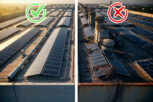
Is the future of our planet hidden in solar energy? With rising energy demand and the effects of climate change, this question is more relevant than ever. Among renewable energy sources, solar power stands out as one of the cleanest and most sustainable solutions, valued for its eco-friendly nature and long-term cost advantages. But is it merely an ideal, or is it truly revolutionizing our daily lives?
Let’s explore real-life examples of how solar energy is transforming our lives and discover how this powerful resource is paving the way to a sustainable future.
Residential Solar Panels: Harnessing the Sun for Energy Independence
One of the most common applications of solar energy is in residential use. Homeowners around the world are turning to solar panels to meet their energy needs. For example, in Germany, strong incentives for renewable energy have led to the installation of solar panels on roughly 10 million rooftops. These systems allow families to generate their own electricity, significantly reducing their energy bills while achieving energy independence.
Solar panels also contribute to environmental sustainability. A standard home solar system can reduce carbon emissions by 3 to 4 tons per year — equivalent to planting over 100 trees annually. With falling panel costs and increasing government incentives, residential solar installations are expected to accelerate worldwide.
Commercial Solar Farms: Powering Industries and Communities
The impact of solar energy goes far beyond individual households. Large-scale solar power plants are making a huge difference by powering entire industries and communities. One of the best examples is the Noor Solar Complex in Morocco — one of the largest solar farms in the world. Spanning 6,000 acres, it generates enough energy to power over one million homes.
Such projects demonstrate how solar farms reduce dependence on fossil fuels and enhance energy security. In the United States, Nevada’s Copper Mountain Solar Facility supplies clean power to more than 140,000 homes, contributing to the country’s growing solar energy adoption.
Solar Energy in Transportation: Solar-Powered Electric Vehicles
Solar energy is also driving a revolution in the transportation sector. By combining electric vehicles (EVs) with solar power, cleaner and more sustainable mobility solutions are emerging. For example, Dutch startup Lightyear produces cars with integrated solar panels. These vehicles can charge themselves while driving, and the Lightyear One model can travel up to 725 kilometers on a single charge, with the added advantage of solar-powered charging.
In public transportation, cities like Sydney, Australia, are using solar-powered buses, which not only reduce emissions but also lower operating costs. In the U.S., companies like Tesla are developing solar-powered charging stations for electric vehicles, paving the way for a more sustainable transportation infrastructure.
Solar Energy in Agriculture: Sustainable Farming Solutions
Solar energy is delivering sustainable solutions in the agricultural sector. Farmers are using solar-powered irrigation systems and greenhouses to reduce environmental impact and lower energy costs. In India, for example, the “KUSUM” program provides subsidies for solar-powered water pumps. These pumps supply energy without relying on costly diesel or grid electricity, while conserving water — a major advantage in drought-prone regions.
Innovative farming methods such as vertical farming and hydroponic systems are also being powered by solar energy. By adopting these technologies, agricultural enterprises can reduce energy expenses while implementing more sustainable and eco-friendly farming practices.
Solar-Powered Desalination: A Solution to Water Scarcity
Access to clean drinking water remains a major challenge in many parts of the world. Solar-powered desalination plants offer a sustainable solution by converting seawater into potable water. The Al Khafji Solar Desalination Plant in Saudi Arabia, for example, produces 60,000 cubic meters of clean water per day, supplying one of the driest regions in the world.
This technology is not limited to the Middle East. Countries like Chile and Australia are also investing in solar-powered desalination projects to provide clean drinking water to remote areas. These initiatives show that solar energy can address not only energy challenges but also critical resource issues like water scarcity.
Solar Energy in Developing Countries: Empowering Communities
The impact of solar energy in developing countries is profound. In rural areas with limited access to electricity, off-grid solar systems are powering schools, hospitals, and homes — improving the quality of life for millions. In Kenya, for example, the nonprofit organization SolarAid has provided solar lamps to over 10 million people. These lamps allow students to study after dark and replace hazardous kerosene lamps, improving health and safety.
Off-grid solar power is also empowering small businesses in these regions. In India, rural entrepreneurs operate solar-powered mobile phone charging stations, water purification systems, and small-scale manufacturing facilities, contributing to the growth of local economies.

Conclusion: The Role of Solar Energy in a Sustainable Future
From homes to industries, and from transportation and agriculture to desalination, solar energy stands out as a driving force for a sustainable future. As technology advances and costs decline, its applications will continue to expand. Whether through small-scale installations or large solar farms, the potential of solar energy to transform how we generate and consume power is undeniable.
In the face of challenges like climate change and resource scarcity, solar energy offers a promising path toward a greener, more resilient future. Beyond power generation, it delivers sustainable solutions in critical sectors such as water, agriculture, and transportation.