

All the Key Advantages of Solar Energy

Solar energy stands out from other energy sources with its infinite and renewable nature. When combined with silent, efficient, and versatile technologies, it offers a perfect solution to meet our daily energy needs. The fact that sunlight is naturally available everywhere will only further enhance the advantages of this energy in the future.
As the planet’s primary source of energy, the Sun has always played a vital role in sustaining life on Earth. Solar energy continues to be one of the key drivers of the global energy transition.
In addition to the qualities it shares with other renewable energy sources, solar energy also has unique advantages. It plays a strong role in combating climate change, helps reduce the use of fossil fuels, and supports our energy independence — all without producing greenhouse gases.
So, what makes solar energy different and unique compared to wind, geothermal, or hydroelectric power?
Here are 8 key advantages of solar energy:
A Renewable and Infinite Energy Source
Although the Sun will eventually exhaust its life in a few billion years, it is practically infinite on our timescale. It will remain a constant and accessible energy source in our daily lives. The amount of solar energy reaching Earth is so abundant that harnessing only a small fraction of it would be enough to meet all of our current energy needs.
Solar Energy Can Be Used Anywhere
The fact that every point on Earth receives sunlight makes solar energy truly unique. This feature enables energy production even in areas without infrastructure or in remote locations. On an individual level, it can be easily implemented on residential rooftops, supporting micro-scale energy independence. This is a significant advantage that many other renewable sources cannot offer.
Technology Compatible with Batteries and the Power Grid
Photovoltaic panels can store the energy they generate during the day through battery systems, making it available during periods of high demand. Excess energy can be fed back into the power grid, enabling the creation of energy-sharing communities and providing economic benefits to individuals. In this way, solar power also creates social value in regions with limited access to electricity.
Contributes to the Local Economy and Creates Jobs
The solar energy sector has the highest employment potential among renewable energy industries. It creates jobs in areas such as installation, maintenance, and technical support, stimulating regional economies and generating new investment opportunities.
Technological Diversity and Ease of Use
Solar energy can be harnessed not only through photovoltaic panels but also via thermal methods. In addition, it produces no noise pollution and, thanks to its eco-friendly technology, can be easily integrated into all living spaces.
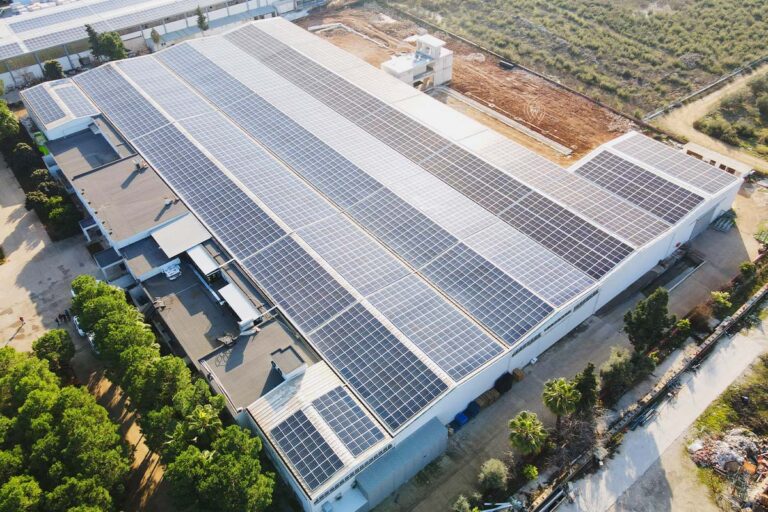
Low Maintenance Requirement
Photovoltaic panels typically have a lifespan of 20–25 years and require minimal maintenance, similar to standard electrical systems. Apart from periodic cleaning, they incur no additional maintenance costs.
Eco-Friendly and Sustainable Materials
Güneş panelleri kullanım ömürlerinin sonunda kolayca geri dönüştürülerek yeniden kullanılabilir malzemeler sağlar. Bu durum çevresel etkinin azaltılmasında ve sürdürülebilirliğin sağlanmasında büyük rol oynar. Ayrıca modüler yapı sayesinde ihtiyaçlara göre küçükten büyüğe her ölçekte kurulabilir.
Reliable and Mature Technology
Solar energy technology today is proven, reliable, and high-performing. In the future, with further efficiency improvements and cost reductions, these advantages will grow even stronger — making it more accessible, more economical, and a competitive option compared to other renewable sources.